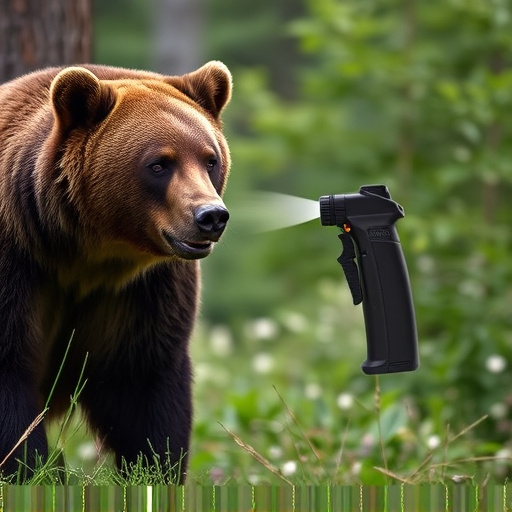
Maximum strength bear spray, utilizing capsaicin from chili peppers, offers powerful defense against aggressive bears by temporarily blurring their vision and disrupting their sense of smell. While minimizing direct harm, it alters bear behavior to avoid human encounters, promoting safer environments for both humans and wildlife in bear country. The long-term ecological impact of bear spray residue on non-target species like birds and small mammals is less understood, requiring further study to balance its effectiveness against potential consequences. Responsible usage includes adhering to local laws, aiming directly at the bear's face, proper disposal, and carrying easily disposable canisters to minimize environmental harm. Correctly used, bear spray can be a highly effective first line of defense, maintaining distance from threats and temporarily deterring wildlife encounters without causing permanent harm.
“Unveiling the power of bear spray as a maximum strength defense tool, this article delves into the intricacies of self-protection in wild environments. From understanding the mechanism behind bear spray and its historical evolution to exploring the science of residue impact on wildlife, we provide insights into effective usage guidelines. Learn how these powerful formulations work and dispel common myths, ensuring safety while minimizing environmental consequences. Discover why bear spray is a crucial addition to your outdoor survival kit.”
- Understanding Bear Spray: How It Works and Its History
- Maximum Strength Formulations: What Makes Them Effective?
- The Science Behind Bear Spray Residue: Impact on Wildlife
- Usage Guidelines: Ensuring Safety and Minimizing Environmental Impact
- Debunking Myths: Bear Spray vs. Other Defense Mechanisms
Understanding Bear Spray: How It Works and Its History
Bear spray, also known as bear repellent, is a powerful defense weapon designed to protect individuals from aggressive wildlife, particularly bears. It works by creating a barrier between the user and the bear, causing the animal to retreat. The primary active ingredient in bear spray is capsaicin, derived from chili peppers, which irritates the bear’s eyes, nose, and respiratory system, making it difficult for the bear to approach or attack.
The history of bear spray dates back to the 1960s when wildlife researchers sought a non-lethal method to deter bears from approaching humans in close quarters. Over time, formulations have evolved to become more potent and effective. Today, bear spray is widely used by hikers, campers, and outdoor enthusiasts across North America as a means of self-defense against both black bears and grizzly bears. The effectiveness of bear spray lies not only in its potency but also in proper usage, including understanding the range and residue left on surfaces, which can impact wildlife if not managed responsibly.
Maximum Strength Formulations: What Makes Them Effective?
Maximum strength bear spray formulations are designed to provide a powerful defense against aggressive bears, offering a crucial advantage for outdoor enthusiasts and individuals living in bear country. The effectiveness of these sprays lies in their ability to create an immediate barrier between the user and the bear. These products typically contain capsaicin, the active ingredient derived from chili peppers, which is known for its irritant properties. When sprayed, it creates a residue that temporarily blurs the bear’s vision and disrupts its sense of smell, providing a critical window of escape or self-defense.
The impact on wildlife is a key consideration; however, maximum strength sprays are engineered to minimize harm while maximizing their deterrent effect. The residue left by these sprays is generally non-toxic to bears and other wildlife when used as directed, but it significantly alters their behavior. By creating an unpleasant sensory experience, the spray encourages bears to avoid human encounters, ensuring a safer environment for both humans and wildlife in areas where bear encounters are common.
The Science Behind Bear Spray Residue: Impact on Wildlife
The science behind bear spray residue and its impact on wildlife is an essential aspect to consider when evaluating this defense weapon. When bear spray is used, it leaves a chemical residue that can remain in the environment for varying periods, depending on factors like temperature and humidity. This residue is designed to deter bears by targeting their eyes, nose, and respiratory system, causing temporary disorientation and pain. However, the long-term effects of this residue on wildlife are not as well understood.
Research suggests that bear spray residue can bioaccumulate in the tissues of animals, potentially leading to toxicological impacts. This is particularly concerning for non-target species, such as birds and other small mammals, which may come into contact with or ingest contaminated materials. The impact of this residue on wildlife populations, especially in sensitive ecosystems, requires further study. Understanding these effects is crucial in balancing the effectiveness of bear spray as a defense tool against its potential ecological consequences.
Usage Guidelines: Ensuring Safety and Minimizing Environmental Impact
When using bear spray, it’s crucial to follow specific guidelines to ensure safety and minimize environmental impact. Always check local regulations regarding where and when you can legally carry and use bear spray. Before deploying, assess the situation; only use bear spray as a last resort when faced with an aggressive or defensive bear. Aim for the bear’s face, moving away from yourself at an angle, to maximize effectiveness while minimizing Bear Spray Residue on wildlife and the environment.
Proper disposal is another critical aspect. Follow guidelines for proper waste management to prevent contamination of water sources and ecosystems by Bear Spray Residue. Consider carrying a spray canister designed for easy disposal in designated containers, reducing the potential Wildlife Impact. Remember, responsible usage contributes to the preservation of both human safety and natural habitats.
Debunking Myths: Bear Spray vs. Other Defense Mechanisms
Many outdoor enthusiasts and hikers often debate the effectiveness of bear spray compared to other defense mechanisms against wildlife encounters. It’s time to debunk some myths and shed light on this powerful tool. A common misconception is that bear spray is only a last-resort option, but it can be a highly effective first line of defense when used correctly. Unlike firearms or sharp objects, bear spray doesn’t require the user to get close to the potential threat, reducing the risk of injury from close contact with aggressive wildlife.
Another myth is that bear spray has no long-term impact on wildlife. The truth is, bear spray residue can remain active for several hours, creating a protective barrier around you. This isn’t harmful to the animal but acts as a deterrent, allowing you time to retreat safely. Contrary to some beliefs, it does not cause bears or other wildlife to become ‘blind’ or permanently affected; rather, it disrupts their sense of smell temporarily, giving humans an advantage in avoiding dangerous encounters.
Bear spray, particularly maximum strength formulations, offers an effective defense mechanism against bear attacks due to its unique active ingredients and rapid desensitizing effects. Understanding the science behind bear spray residue is crucial in mitigating its environmental impact while ensuring safety for both humans and wildlife. By following usage guidelines and debunking myths, individuals can make informed decisions about bear spray as a viable defense tool in wild environments.